Maletha Village in Kirtinagar, Uttarakhand
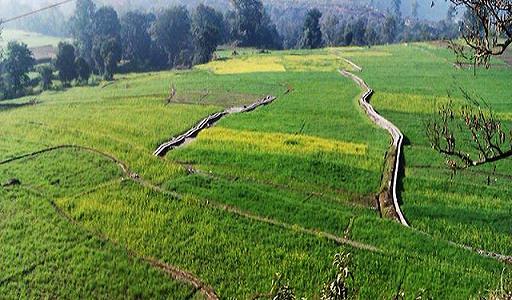
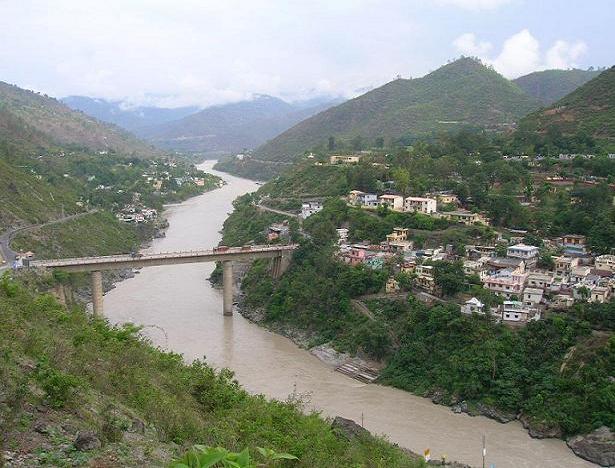
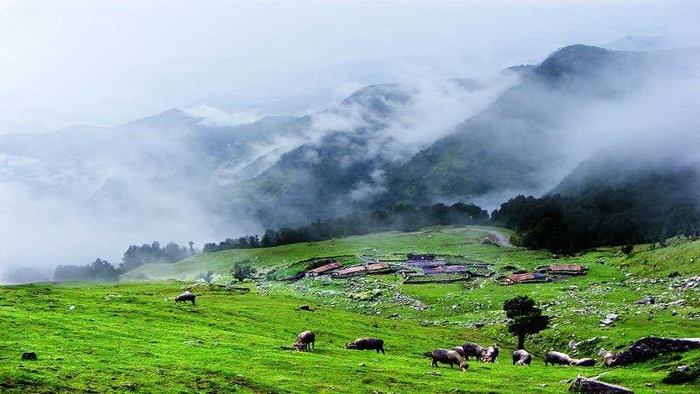
Look, if you appreciate historic human grit, Maletha Village near Kirtinagar in Tehri Garhwal is a must-visit spot. Famous for the legendary 17th-century Garhwali warrior Madho Singh Bhandari who carved a 220-foot canal through solid rock using only a chisel and hammer, Maletha stands as a symbol of determination.
The Legacy of Madho Singh Bhandari
To bring water to the parched fields of Maletha, Madho Singh Bhandari sacrificed his own son as per local folklore. Today, the green terraced fields of Maletha thrive thanks to that historic water tunnel, attracting history buffs and cultural travelers.
Location & Transport
- Location: 7 km from Devprayag / Kirtinagar on the Rishikesh-Badrinath National Highway (NH-58).
- How to Reach: Easily accessible by local taxis and buses running along the Badrinath route.
How To Reach Maletha Village
By Air
The nearest airport of Kirtinagar is Jolly Grant Airport Dehradun, which is about 117 km from Kirtinagar.
By Train
The nearest railway station of Kirtinagar is Rishikesh, which is about 100 km from Kirtinagar.
By Road
Maletha Village is located on NH58, about 4 km from Kirtinagar.
Best Time To Visit
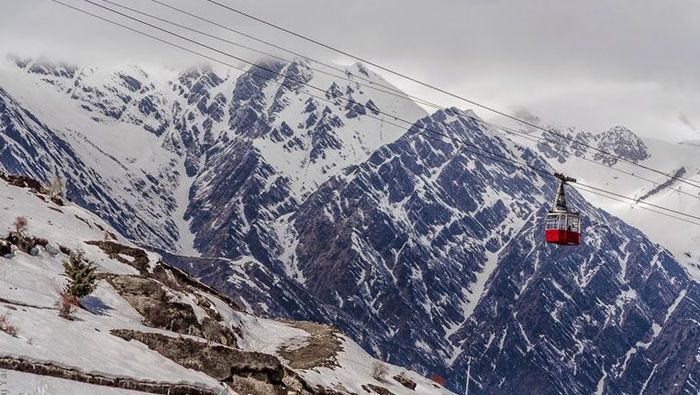
The journey of Maletha Village can be done throughout the year, but the best time to visit here is between the months of October to April. Travelling here in these months is the best and enjoyable. During the winter season, the weather of here is cold. Due to snowfall on the surrounding hills in the winter season, the temperature of here goes down very much. Due to heavy rains in the rainy season, it is a bit difficult to travel of here because of heavy rains threatening landslides.