Tungnath Temple in Chopta, Uttarakhand
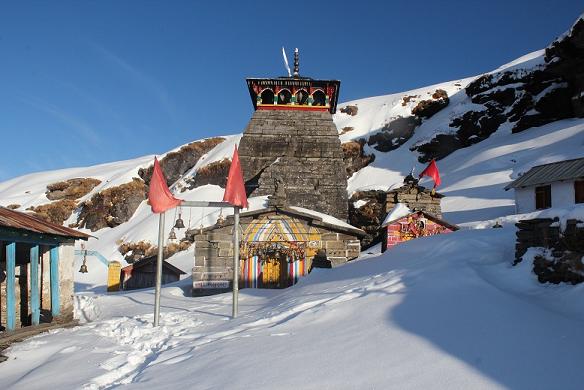
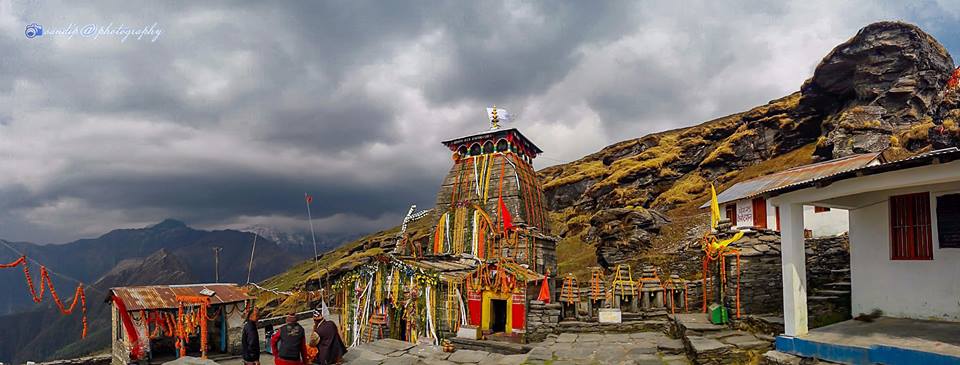
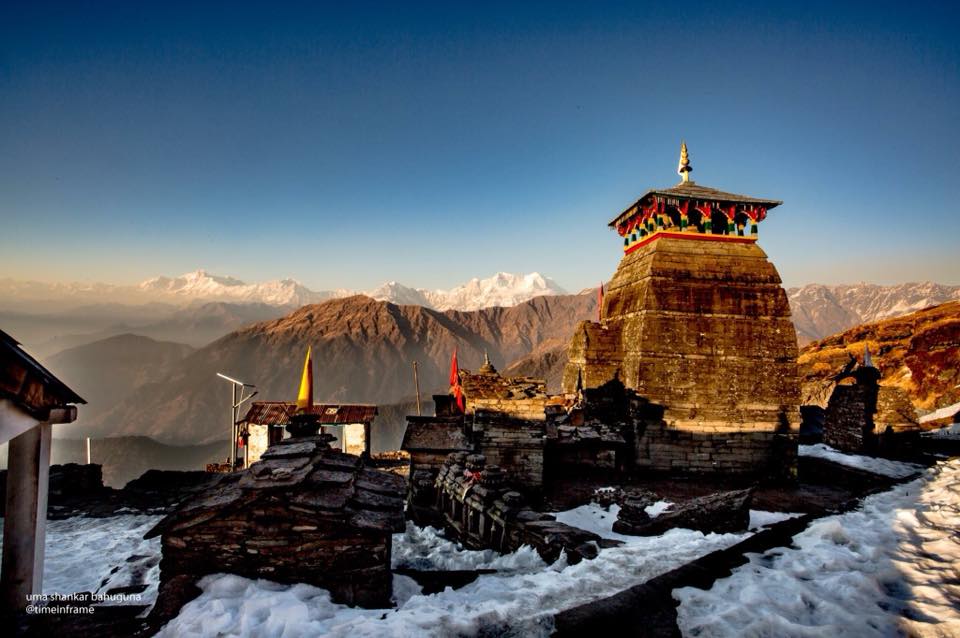
If you're dreaming of walking through cloud-covered meadows and quiet ancient stone shrines, Tungnath Temple is pretty much as good as it gets. Sitting way up at 3,680 meters (12,073 feet) above sea level in the Rudraprayag district of Uttarakhand, Tungnath holds the title of being the highest Lord Shiva temple in the world. It's surrounded by sweeping alpine bugyals (meadows) and massive snow peaks, serving as the central highlight of Chopta — a region locals call the "Mini Switzerland of Uttarakhand." Not gonna lie, whether you're trekking for faith or just after incredible mountain views, putting Tungnath on your list of places to visit in Chopta is a no-brainer.
Mythology & The Panch Kedar Connection
The story behind Tungnath goes back thousands of years into the Mahabharata. Local belief runs deep here. Legend says that after the battle at Kurukshetra, the Pandavas felt heavy guilt over killing their own kin and set out to find Lord Shiva to ask for forgiveness. But Shiva wasn't ready to forgive them easily. He took the form of a wild bull and hid high in the Garhwal mountains of Uttarakhand.
When the Pandavas finally tracked him down, the bull form sank straight into the earth. Different body parts of Lord Shiva re-appeared across five separate mountain spots, which are worshipped together as the sacred Panch Kedar:
- Kedarnath: Where the hump (Prishthabhaga) came up.
- Madhyamaheshwar: Where the navel (Nabhi) appeared.
- Tungnath: Where the arms and chest (Bahu) materialized — making it the 3rd Kedar in the holy order.
- Rudranath: Where his divine face (Mukha) surfaced.
- Kalpeshwar: Where his hair lock (Jata) appeared.
People believe the Pandava brothers built the original stone temple here to pray to Lord Shiva before moving deeper into the high Himalayas.
Chopta Base Camp & High-Altitude Meadows (Bugyals)
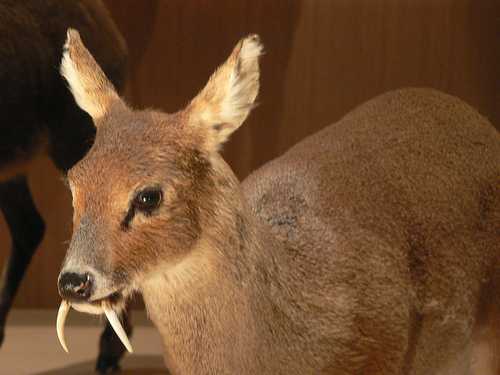
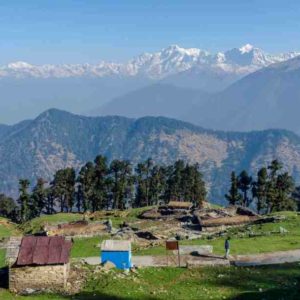
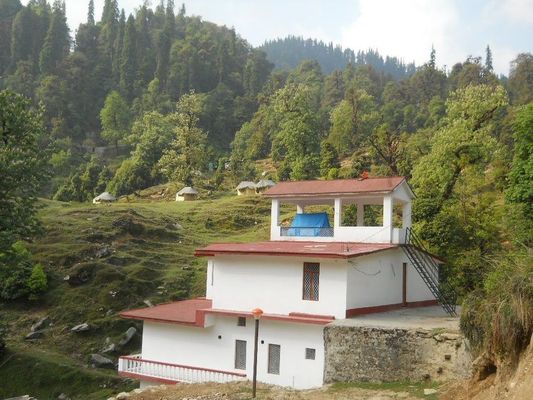
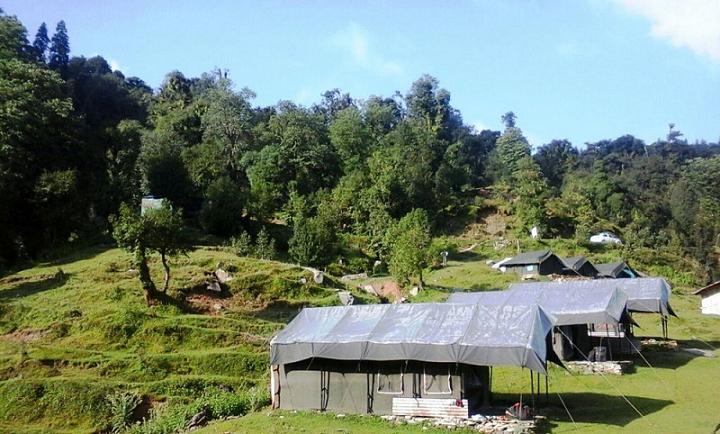
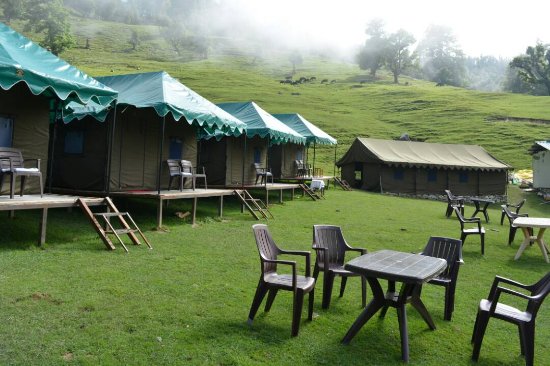
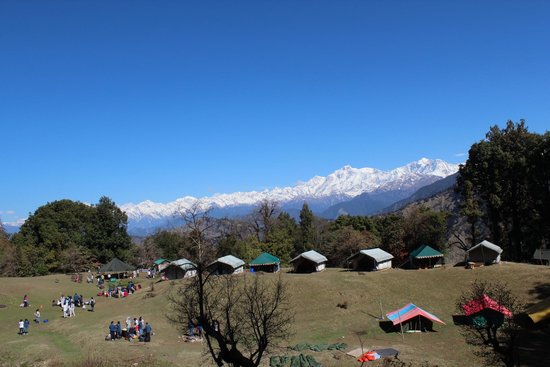
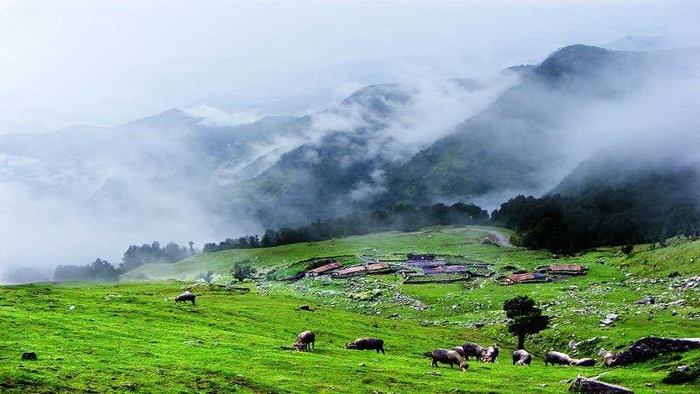
The journey to Tungnath starts from the serene hamlet of Chopta, situated at an altitude of 2,680 meters (8,790 feet). Chopta serves as the base camp for trekking up to Tungnath and Chandrashila Peak. The entire valley is part of the Kedarnath Wildlife Sanctuary, renowned for its pristine forests of oak, pine, deodar, and bright pink and red rhododendrons (Buransh). During spring and summer, the meadows of Chopta turn into rolling green carpets dotted with colorful wildflowers, while during winter, the landscape transforms into a glistening white snow wonderland. The region is home to rare Himalayan wildlife, including the elusive Himalayan Musk Deer, Monal Pheasant (Uttarakhand's state bird), Snow Leopard, and Red Fox.
The Trek: Chopta to Tungnath & Chandrashila Peak
To get to Tungnath Temple, you've got a memorable 3.5-kilometer trek starting right from the village base camp at Chopta. Honestly, it's one of the easiest high-altitude trails in the region, but the views hit hard.
1. Chopta to Tungnath (3.5 km - Moderate Trail)
The path from Chopta up to Tungnath is paved with stone, complete with clear distance signs and wooden benches to rest on. As you climb past thick forests of oak, pine, and bright pink rhododendron trees, the trees eventually give way to open green bugyals. Most people take around 2 to 3 hours to reach the top. Small local tea stalls along the path sell hot chai, Maggi, and fresh rhododendron juice to keep you going.
2. Tungnath to Chandrashila Peak (1.5 km - Steep Climb)
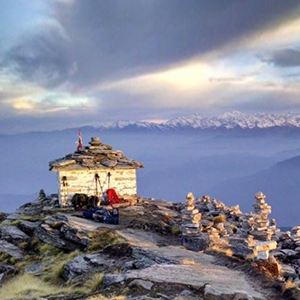
If you've still got energy left in your legs, push another 1.5 kilometers above the temple to reach the summit of Chandrashila Peak at 4,000 meters (13,123 feet). The name means "Moon Rock." Mythological legends suggest that Lord Rama meditated at Chandrashila Peak after defeating Ravana. From the top, you get a 360-degree panorama of giant Himalayan peaks, including Nanda Devi (India's second-highest peak), Trishul, Chaukhamba, Kedar Peak, Bandarpoonch, and Neelkanth. Watching the first morning light turn those snow peaks bright gold is something you won't forget anytime soon.
Legends of Ravana & Vyas Muni at Chandrashila Peak
In addition to the Pandava legend, classical local mythology associates Chandrashila Peak with Lord Rama and Ravana. It is believed that after defeating the demon king Ravana in Lanka, Lord Rama performed penance (tapasya) at Chandrashila Peak to seek absolution for killing a Brahmin. Another legend states that the ancient sage Vyas Muni meditated here for decades to compose sacred Vedic hymns. The spiritual energy surrounding the summit, combined with the pure mountain air, makes Chandrashila a tranquil retreat for meditation practitioners.
Temple Structure & Sacred Sanctum
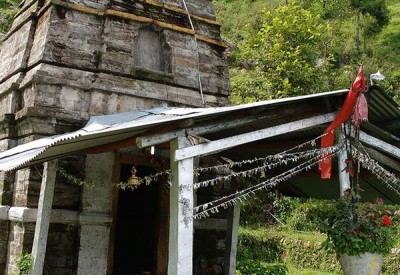
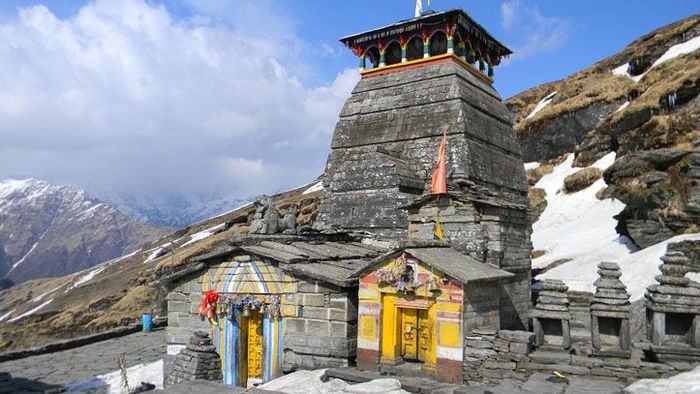
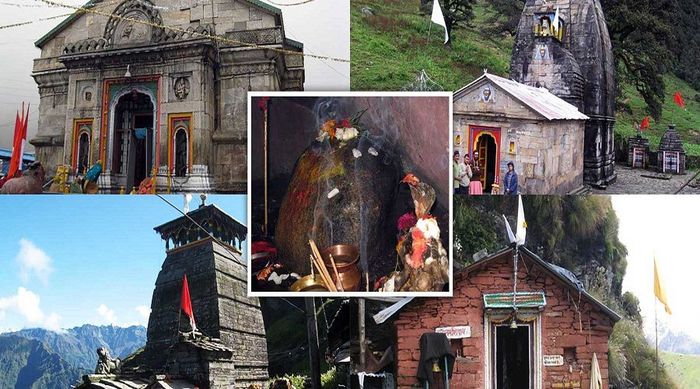
Tungnath Temple is built in the classic North Indian Nagara style using heavy grey granite stone blocks. It's incredible how the building has stood strong against centuries of heavy winter snowstorms and freezing winds in Uttarakhand.
Inside the small main sanctum (Garbhagriha), the deity is a natural black stone lingam leaning slightly to the left, representing the arms (Bahu) of Lord Shiva. Right next to the main temple are smaller shrines for Goddess Parvati, Lord Ganesha, Vyas Muni, Kalabhairav, and stone statues of the Pandava brothers.
Winter Shift to Makkumath Village
When heavy snow hits between November and
How To Reach Tungnath Temple
Check our full guide on how to reach Chopta in Uttarakhand.
By Air: Closest airport is Jolly Grant Airport (DED) in Dehradun, around 225 km away. Taxis run directly via Rishikesh, Srinagar, Rudraprayag, and Ukhimath.
By Train: Major stations are Rishikesh Railway Station (RKSH) / Yoganagari Rishikesh (YNRK) (200 km) and Haridwar Junction (HW) (225 km), with direct train connections from Delhi and Kolkata.
By Road: Buses operate daily from ISBT Kashmiri Gate Delhi to Haridwar, Rishikesh, and Rudraprayag. From Ukhimath, local shared jeeps and taxis reach Chopta in 1 hour.
Best Time To Visit
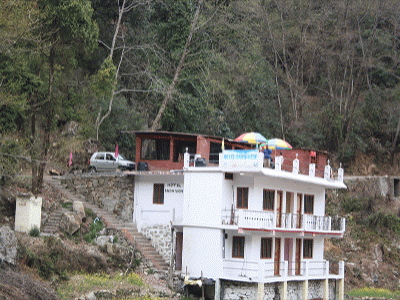
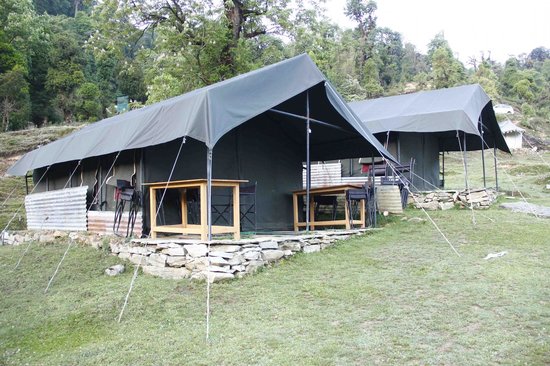
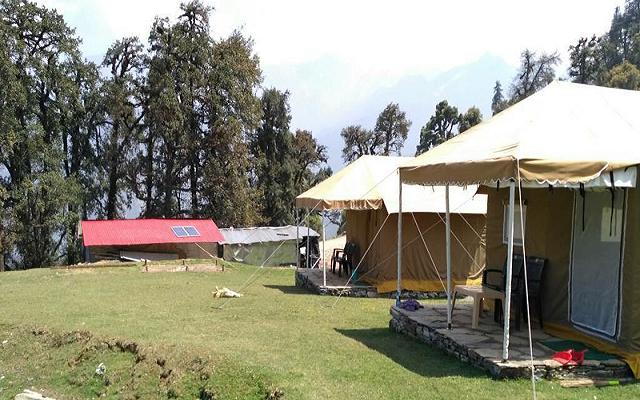
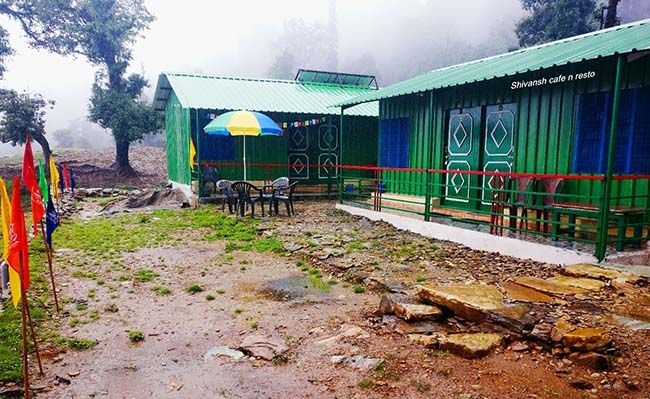
The best time to visit Tungnath Temple in Chopta, Uttarakhand is May to June for temple darshan and flowers, or September to November for mountain views. Winter (December to March) is great for snow trekking. Plan ahead and reserve your stay at comfortable hotels in Chopta.